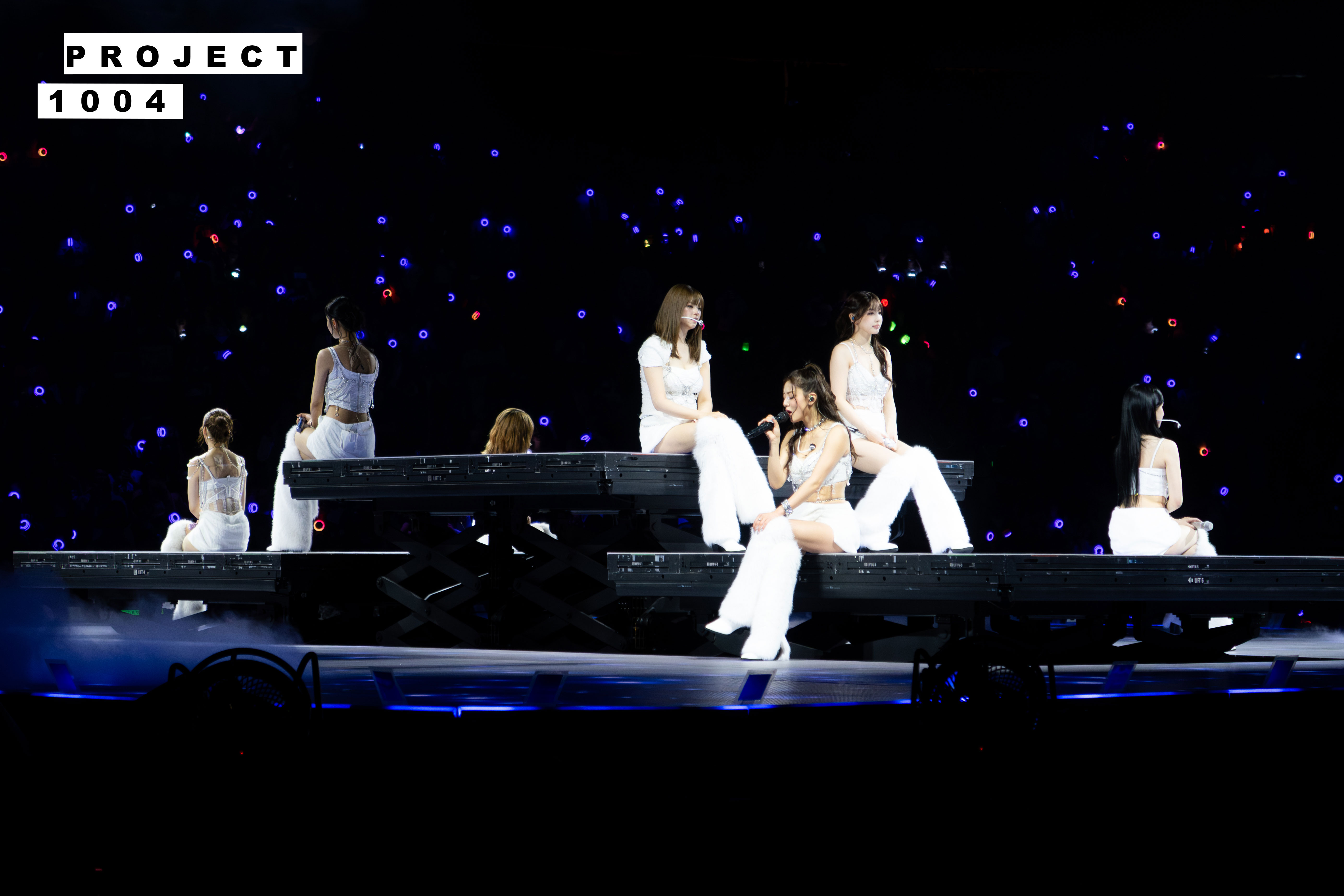
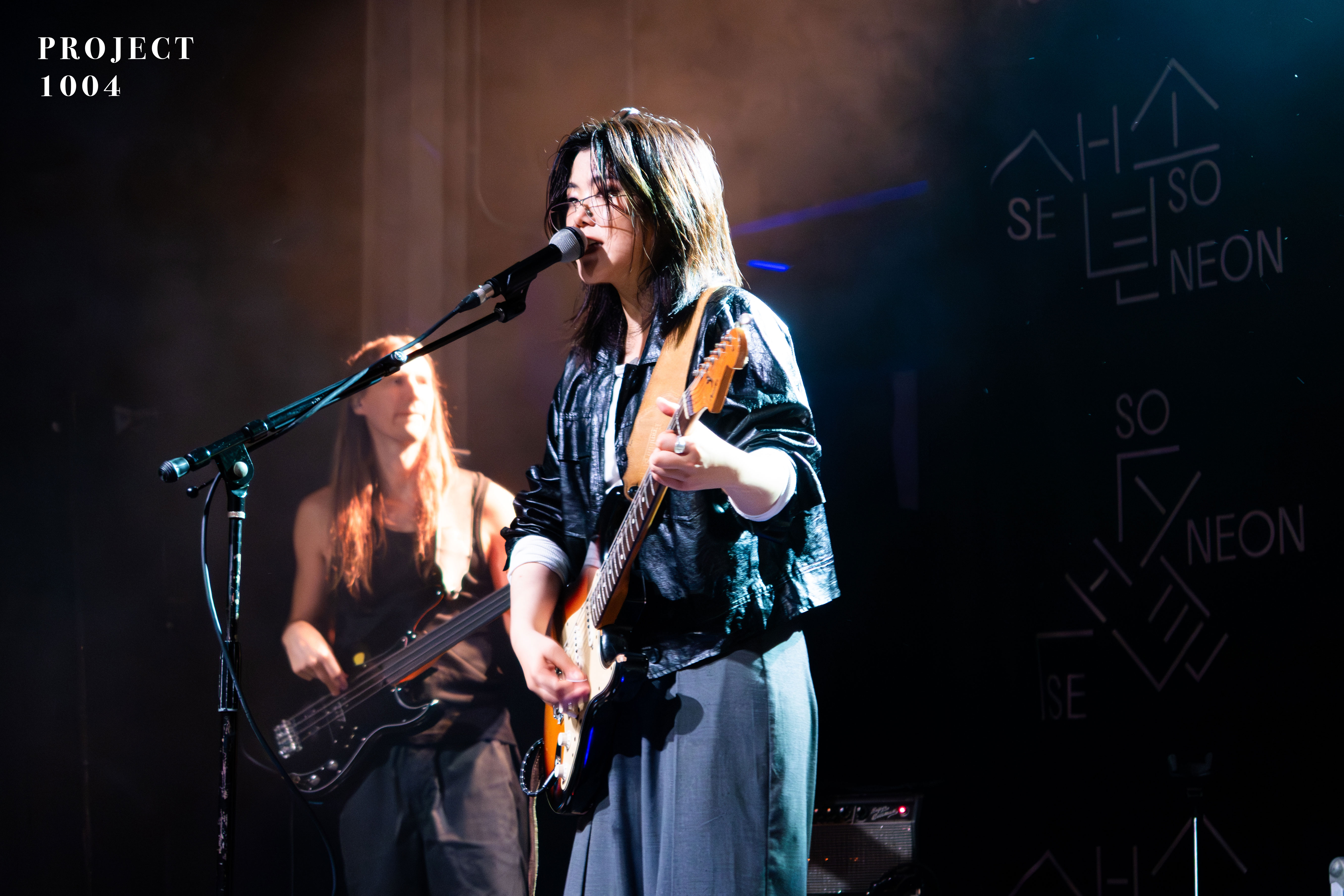
Growing up, I never thought I would ever call myself a K-pop concert photographer. Being a concert photographer never crossed my mind.
However, when I returned to the US after living in South Korea for 3 years, I really missed photography. When I lived in Korea, there were so many things to take photos of. I could just wander the streets for hours and just take photos of the alleyways and landscape or meet with actors and models to photograph them. However, back in the US, I had no connections and nothing to photograph.

On a whim, I bought a last minute ticket to see SIK-K live in Minnesota. I had no idea who he was other than he was a Korean rapper. I didn’t know his songs. I didn’t even know what he looked like. But he was performing at a local venue that allowed point and shoot cameras. So I bought a ticket to his show. The night before, I watched some videos on how to take concert photos. The next day, I lined up early so I could get a good spot for the show. SIK-K’s concert was so so so good. He had so much energy, used the stage really well, and was really good at interacting with the audience. There was never a dull moment during the concert. I think the concert was one of the best concert ever and it made me fall in love with concert photography and Korean hip-hop music.
After the concert, I was suddenly obsessed with concert photography and wanted to do as many event and concert photography as possible. I started attending all local events, collaborating with local k-pop cover dance groups, k-pop stores, and k-pop event organizers. Then, suddenly, I started working with artists, companies, and artist promoters. On my journey to become a concert photographer, I learned a lot. Here are some of my tips that helped me become a better concert and event photographer.


Tip #1: Attend local events and practice photographing low light and fast moving subjects.
Local events are the best to learn and grow! You don’t have to pay anything to attend and can practice with local talents! Usually, these events do not have professional lighting so your really have to test your skills and learn how to shoot in low light settings. But these events are the best to learn how to shoot in low light, in shutter priority/manual mode, and how to shoot fast moving subjects!
I have worked with local cover dance groups and k-pop event organizers in Minnesota. I really appreciate these opportunities as it allowed me to learn, grow my skills, and helped me prepare for those moments when a K-pop artist really comes to my town. I learned where I want to stand, how to shoot in low light, how to prepare for unexpected settings, what the limitations of my instruments are, and how to edit photos quickly.


Tip #2: Reflect and Critique Your Work!
You can’t get better if you don’t look at your work and critique it. What could I have done better? What should I change for next time? What did I learn from this experience? What was I lacking? What photos should I had taken? Ask yourself these questions and critique your work!
I shot a concert once and was super disappointed in the photos that I took. Out of the entire shoot, I only had 2 good photos that could be posted. And the photos I took lacked diversity. From then on, I started to be more critical of my work and reflecting on what I could have done better, how I can prevent this from happening again next time, and created a shot list of must-have photos.


Tip #3: Pay to attend local concerts that allow point and shoots to practice.
Go to that local concert that is happening on the weekend. Get there early, wait in line, and find a good spot to take photos from. This is a great way to practice shooting in different modes (manual, aperture priority, shutter priority, etc.), finding ways to be creative with photography, and it is low stress!
Also some bands may be really appreciative of it! I have been DM’d by a few artists or they reposted my work! So go to the local club shows and practice photography (and editing afterwards).


Tip #4: Understand the Industry Standards
Understand what the industry standards are for the type of concert photography that you want to do. Not everything is the same. For an example, some music photography/publications require photos to be sent to them by the next morning. However, K-pop is a little more strict about the image of their artists and companies are willing to wait longer for better photos. And, you usually have to wait for the management to approve the final photos.


Tip #5: Do other kinds of photography!
Doing beauty and portrait photography really helped me learn how to do skin retouching and making the subject pop. This has helped me tremendously in concert photography! And for K-pop events and concerts as the companies are more strict.
Concert photography has made me comfortable with shooting in low light, different modes, fast moving subjects, and editing photos! I really recommend photographers to try different kinds of photography to improve your skills!
Was there any tip that surprised you? Or want other tips? Comment below!